
- About Us
- Equipment
- Solution
- Cases
- News
- Service
- Contact us
Insight into the current events of the day and collect industry hotspots
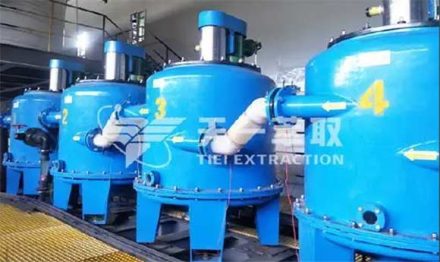
In fine chemical production, removing DMF from the dichloromethane system containing the target product is a crucial purification step. Traditional batch-type reactor extraction methods are not only inefficient and labor-intensive but also fail to meet the requirements of modern production…
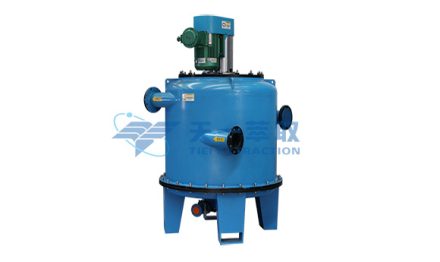
The CWL-M series centrifugal extractor manufactured by Zhengzhou Tiei Extraction has a good reputation in the industry. Their advantages are mainly reflected in the following aspects, which have led to their widespread application in chemical, pharmaceutical, environmental protection, and hydrometallurgy…
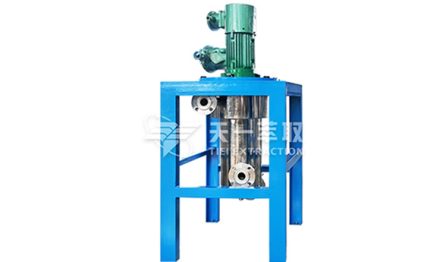
In the field of hydrometallurgy, the separation of manganese and magnesium has always been one of the technical challenges. Traditional methods suffer from low efficiency, high energy consumption, and limited product purity. Zhengzhou Tiei Extraction’s CWL-M series centrifugal extractor, combined…
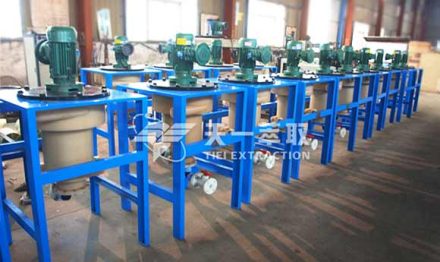
In the field of wet phosphoric acid purification, the leap from laboratory-scale trials to industrial-scale production is fraught with a significant gap that must be bridged with reliable technology and equipment. A certain wet-process phosphoric acid project, with an ambitious…
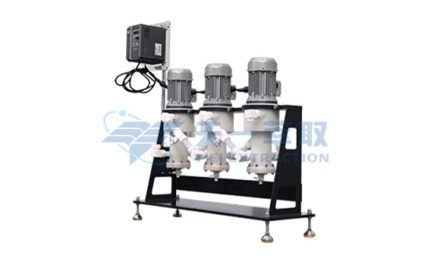
In the synthesis of pharmaceutical intermediates and the purification of active pharmaceutical ingredients (APIs), n-butanol is widely used as an extraction solvent. However, during liquid–liquid extraction and separation from the aqueous mother liquor, three major technical challenges are commonly encountered:…
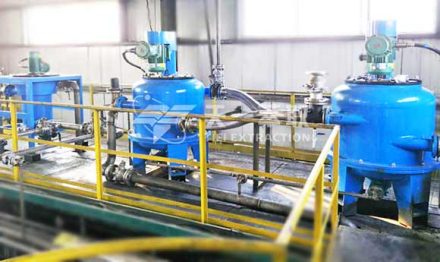
With the rapid development of the new-energy industry, efficiently recovering valuable metals such as nickel and cobalt from spent lithium batteries has become a crucial step in resource regeneration. Faced with the surging volume of retired batteries, how to efficiently,…


Leave your questions and we will get in touch with you as soon as possible