
- About Us
- Equipment
- Solution
- Cases
- News
- Service
- Contact us
Insight into the current events of the day and collect industry hotspots

In the fields of fine chemicals and pharmaceutical intermediates production, cycloheptatriene, as a key raw material featuring unique aromaticity and an unsaturated cyclic structure, has a purity level that directly determines the success or failure of downstream high-end synthesis production…

Nickel is a recognized toxic heavy metal with bioaccumulative and persistent characteristics. Once released into water bodies or soil, it can enter the food chain and pose threats to ecosystems and human health. In industrial processes such as electroplating, metallurgy,…

During the production of acrylic acid and its esters, a large amount of high-concentration wastewater containing organic acids, aldehydes, polymers, and various by-products is generated. This type of wastewater is characterized by high COD, poor biodegradability, strong acidity, and high…

H-Acid (1-amino-8-naphthol-3,6-disulfonic acid) is a key intermediate used in the production of acid dyes, direct dyes, and reactive dyes for wool and cotton textile dyeing. However, the H-acid wastewater generated during the crystallization mother liquor stage has long been one…

Copper, nickel, and cobalt are core metals for strategic industries such as new energy batteries, high-temperature alloys, and magnetic materials. With the explosive growth of the new energy vehicle and energy storage markets, demand for high-purity nickel, cobalt, and copper…
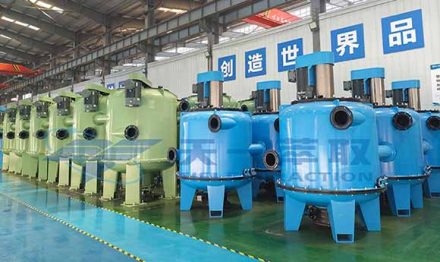
Driven by the global “dual carbon” goals and increasingly stringent environmental regulations, industries such as chemicals, hydrometallurgy, and pharmaceutical intermediates are undergoing a profound green and low-carbon transformation. As a core separation unit operation, liquid-liquid extraction plays a decisive role…


Leave your questions and we will get in touch with you as soon as possible