
- About Us
- Equipment
- Solution
- Cases
- News
- Service
- Contact us
Insight into the current events of the day and collect industry hotspots
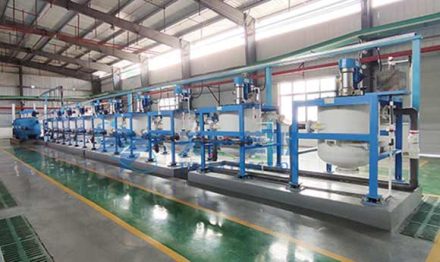
In various industrial fields such as fine chemicals, pharmaceuticals, and natural product extraction, acetone extraction is widely used due to its excellent solubility and separation efficiency. With deep industry expertise and technological innovation, Zhengzhou Tiei Extraction introduces the CWL-M series…
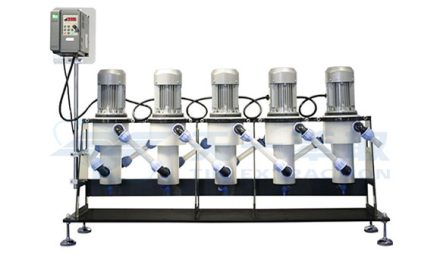
In the fields of hydrometallurgy, chemical separation, and environmental resource recovery, the selection of liquid-liquid extraction equipment directly impacts production efficiency and economic benefits. As two mainstream extraction equipment, the mixer settler and the centrifugal extractor often cause confusion among…
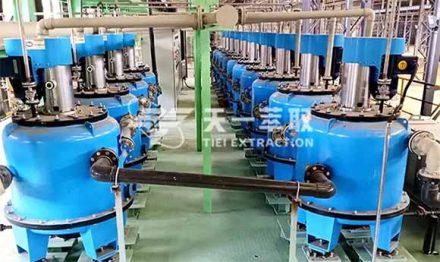
In industries such as new energy materials and polymer synthesis, N-Methyl-2-pyrrolidone (NMP) is widely used as a high-performance solvent. However, its high-concentration wastewater, due to its complete miscibility with water, high boiling point, and difficulty in direct separation, has become…
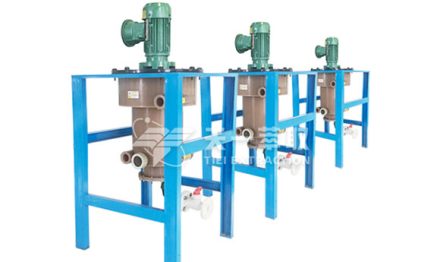
Driven by the global push toward resource recycling and green manufacturing, waste lubricating oil regeneration has become a key pillar of sustainable development in the petrochemical industry. Traditional regeneration processes face multiple challenges, including low efficiency, high energy consumption, difficult…
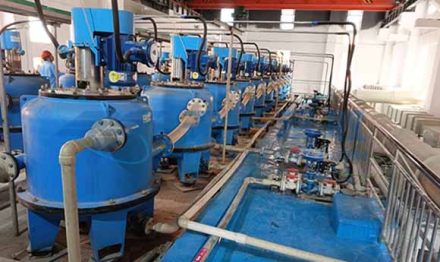
In the field of wet-process phosphoric acid production, achieving an optimal balance between purity and efficiency has long been a persistent challenge for the industry. Traditional purification processes are often associated with high energy consumption, limited improvements in purity, and…
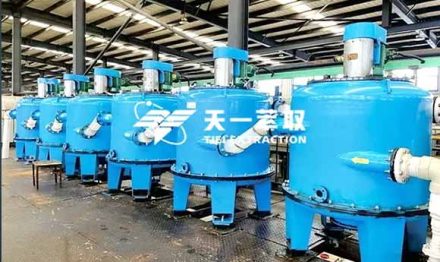
Ternary lithium batteries are key products in the fields of new energy power and energy storage, with Ni, Co, and Mn serving as the core active elements in their cathode materials. With the arrival of the first wave of retired…


Leave your questions and we will get in touch with you as soon as possible