
- About Us
- Equipment
- Solution
- Cases
- News
- Service
- Contact us
Insight into the current events of the day and collect industry hotspots
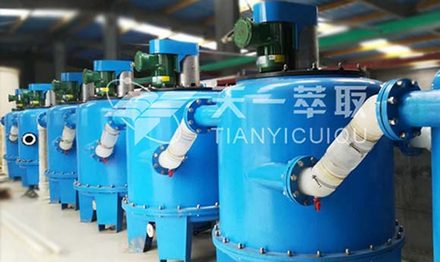
In heavy industries such as leather tanning, electroplating, and metallurgy, chromium-containing sludge is a common type of solid waste. Taking the leather tanning industry as an example, the biochemical sludge generated during the chrome tanning process not only contains a…
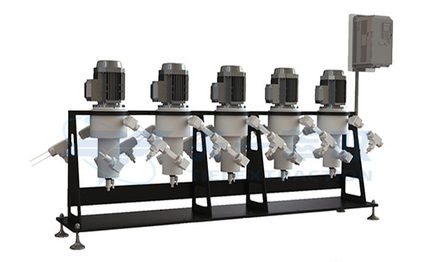
Indium, germanium, gallium, rhenium, scandium, and other rare dispersed metals are indispensable key raw materials for strategic emerging industries such as new energy, semiconductors, aerospace, and advanced manufacturing. However, these metals are mostly associated with resources such as lead-zinc ores,…
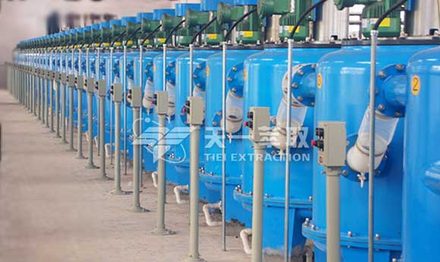
As one of the most widely used organic acids worldwide, citric acid plays an indispensable role in food, pharmaceuticals, personal care, industrial cleaning, and other fields. As end markets continue to raise their requirements for product purity, production sustainability, and…
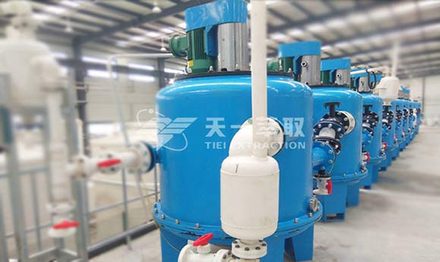
As the global transition toward electrification enters a critical stage, the installed capacity of power batteries continues to rise, and the “retirement wave” of spent batteries has become a reality rather than a forecast. Compared with primary mineral resources, the…
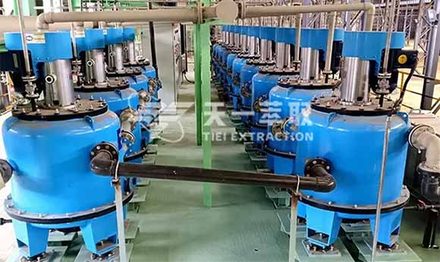
Crude nickel sulfate usually contains impurities such as iron, arsenic, antimony, copper, lead, zinc, and free sulfuric acid. Purification is therefore required before it can meet the application standards for battery-grade or electroplating-grade nickel sulfate. At present, solvent extraction is…
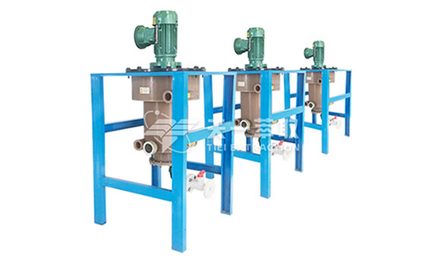
H-Acid is a key intermediate used in the synthesis of more than 90 types of dyes, including Acid Fuchsin and Reactive Brilliant Red, and plays an important role in the global dye supply chain. However, the acid precipitation and filtration…


Leave your questions and we will get in touch with you as soon as possible