
- About Us
- Equipment
- Solution
- Cases
- News
- Service
- Contact us
Insight into the current events of the day and collect industry hotspots
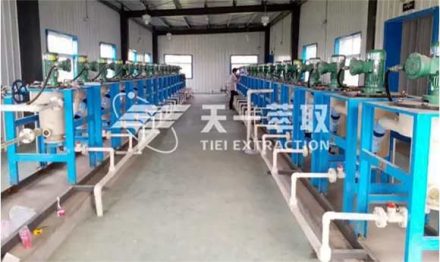
In the modern pharmaceutical and fine chemical industries, efficient, continuous, and automated separation and purification technologies have become crucial for enhancing core competitiveness. Regarding the selection of extraction equipment, centrifugal extraction process, with its advantages of high extraction efficiency, enclosed…
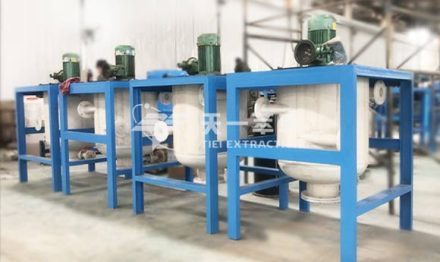
In the field of chemical production, the efficient extraction of acrylic acid has always been a focus of attention in the industry. Traditional extraction methods often face challenges such as low efficiency, high energy consumption, and incomplete separation. Tiei Extraction,…
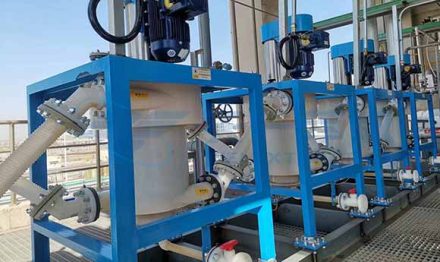
In industries such as chemicals, pharmaceuticals, and food processing, ethyl acetate is an important organic solvent, and its effective separation from water has long been a critical technical step. Although traditional separation methods such as distillation are widely used, challenges…
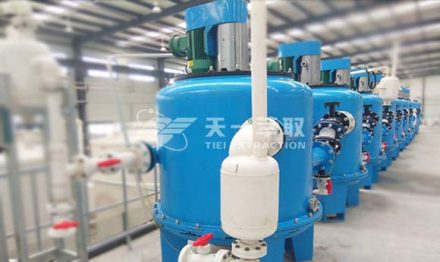
In vanadium extraction processes, whether using the traditional sodium roasting-acid leaching method or the novel salt-free roasting-acid leaching method, the final step involves an extraction process to achieve efficient separation and purification of vanadium. The CWL-M centrifugal extractor, based on…
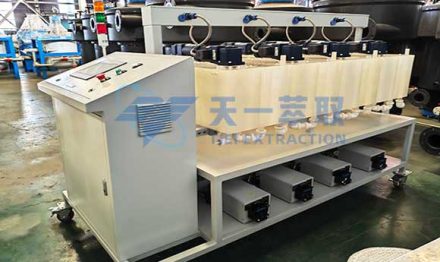
In the development of hydrometallurgical processes, scaling up from laboratory research to industrial production is a critical step that often determines the success or failure of a project. The CWX-J Series laboratory mixer settler, independently developed by Zhengzhou Tiei Extraction,…
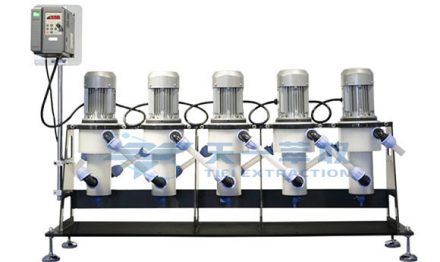
In many industrial fields such as chemical processing, pharmaceuticals, environmental protection, and hydrometallurgy, liquid liquid extraction is a core technology for separation and purification. Its efficiency and economic performance directly influence the overall competitiveness of production lines. Traditional equipment, such…


Leave your questions and we will get in touch with you as soon as possible