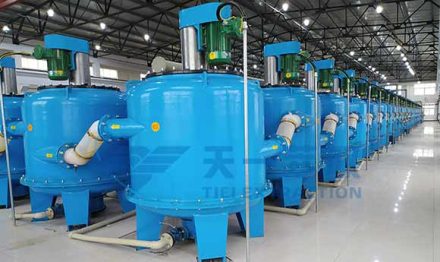
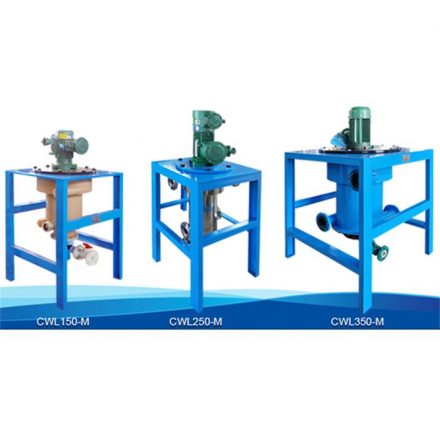
In fine chemical production, the selection of extraction equipment directly affects product yield, purity, and overall production costs. The rotating disc extraction column and centrifugal extractor are two widely used types of extraction equipment. Proper equipment selection should be based on a comprehensive assessment of material characteristics and process requirements.
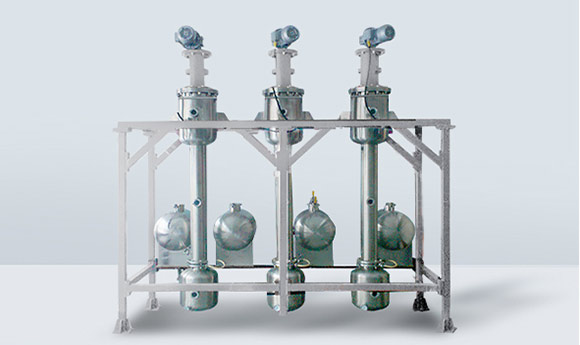
The rotating disc extraction column is a gravity-based differential contact extraction equipment. Inside the column, rotating discs and stationary discs are arranged alternately, dividing the column into multiple extraction chambers. During operation, the light and heavy phases come into countercurrent contact. The rotating discs disperse the liquid into fine droplets through rotation, increasing the mass transfer area. The separation process relies on gravity settling, with droplets slowly rising or falling inside the column, resulting in a relatively long residence time. The equipment has a relatively simple structure and a large processing capacity, making it suitable for large-scale production, low-value-added products, systems containing solid particles, or systems with a relatively large density difference between the two phases. However, its limitations are also evident: gravity-based separation is less effective at breaking emulsified layers, resulting in poor separation performance for easily emulsified systems. In addition, the relatively long residence time of materials inside the column may cause decomposition or deactivation of heat-sensitive components.
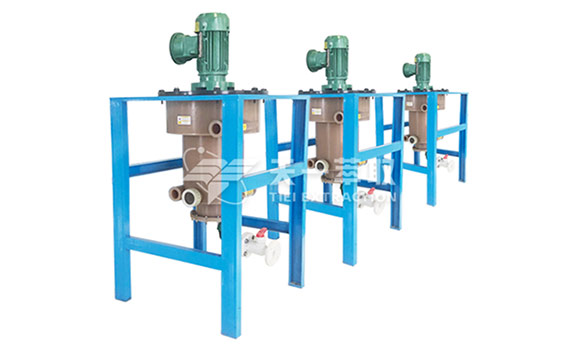
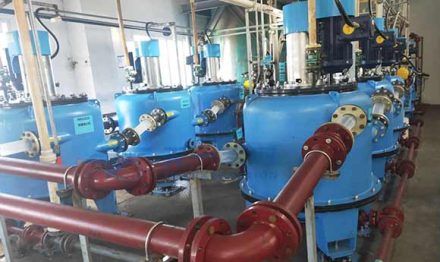
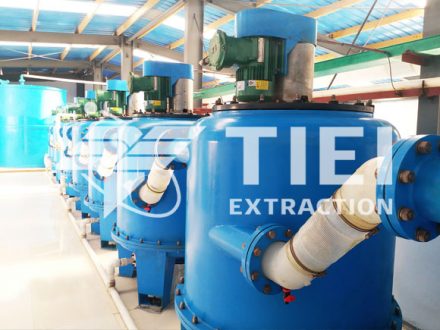
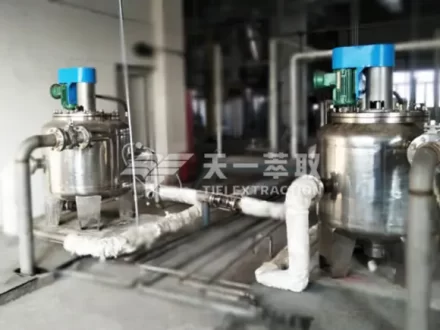
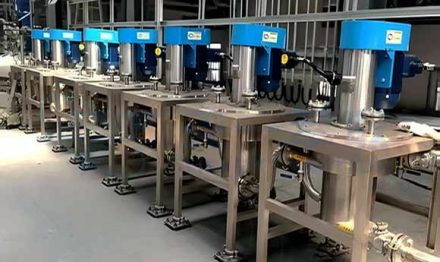
The CWL-M centrifugal extractor utilizes the powerful centrifugal force generated by high-speed rotation to achieve rapid mixing and forced separation of the two phases. Under a centrifugal force several hundred times greater than gravity, the light and heavy phases complete mixing, mass transfer, and phase separation within seconds, resulting in an extremely short residence time. This characteristic enables effective breaking of emulsions, making it particularly suitable for fine chemical material systems that are prone to emulsification, have a small density difference, are heat-sensitive, or have high added value, such as antibiotics, vitamins, and chiral pharmaceutical intermediates. The equipment adopts a fully enclosed structure, enabling continuous and automated operation, reducing solvent evaporation losses, and facilitating product changeover. It can therefore adapt well to the small-batch, multi-product production characteristics of the fine chemical industry.
Selection Recommendations: The rotating disc extraction column is suitable for large-scale crude extraction or pretreatment stages, especially when the materials have a relatively large density difference, high solids content, and relatively low added value. For systems involving easily emulsified, heat-sensitive, or high-value-added fine chemicals, the CWL-M centrifugal extractor offers greater overall advantages. Its single-stage extraction efficiency can reach over 90%, with stable and reliable operation. It has been successfully applied in numerous fields, including pharmaceutical APIs, pesticide intermediates, and fine chemicals. Overall, fine chemical production should prioritize the selection of centrifugal extraction equipment based on material characteristics in order to achieve higher product yields and better purity assurance.
Email: sales@tieiextraction.com
Whatsapp: +86 19069612820