
- About Us
- Equipment
- Solution
- Cases
- News
- Service
- Contact us
Insight into the current events of the day and collect industry hotspots
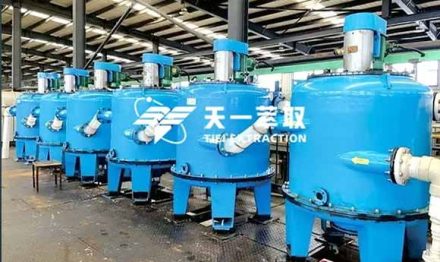
Driven by the wave of new energy development, lithium cobalt oxide (LiCoO₂) batteries remain the core power source for portable electronic devices such as smartphones and laptops due to their high energy density and stable output performance. As the replacement…
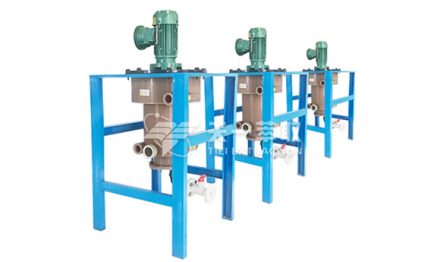
In fields such as chemical engineering and pharmaceuticals, the rapid and efficient separation of toluene and hydrochloric acid solution has always been a critical step. Traditional separation methods, such as static settling, suffer from major drawbacks including bulky equipment, low…
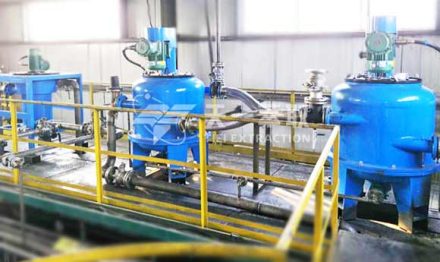
The flue dust generated during copper smelting is rich in valuable metals such as copper, zinc, and bismuth, making it an “mine” awaiting efficient development. However, traditional treatment processes for flue dust leachate (such as cementation and precipitation) often suffer…
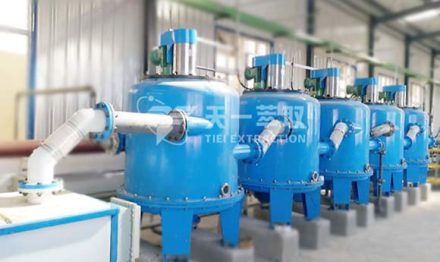
In industries such as coking, petrochemicals, pharmaceuticals, and dyes, the phenol-containing wastewater produced is complex in composition, highly toxic, and poorly biodegradable, making it a persistent challenge in industrial wastewater treatment. An advanced technology—solvent extraction, known for its high efficiency,…
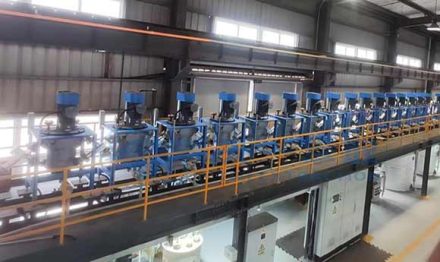
In various industrial sectors such as chemical manufacturing, pharmaceuticals, and hydrometallurgy, oxalic acid is widely used as an important raw material and cleaning agent. However, the resulting high-concentration oxalic acid wastewater has become a major challenge for enterprises pursuing sustainable…
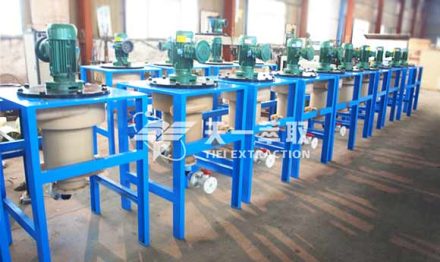
In the production process of chemical enterprises engaged in stainless steel processing, acids are used for surface treatment, which generates a large amount of pickling leachate containing heavy metal elements such as chromium, nickel, and iron. If these metals can…


Leave your questions and we will get in touch with you as soon as possible