
- About Us
- Equipment
- Solution
- Cases
- News
- Service
- Contact us

Insight into the current events of the day and collect industry hotspots
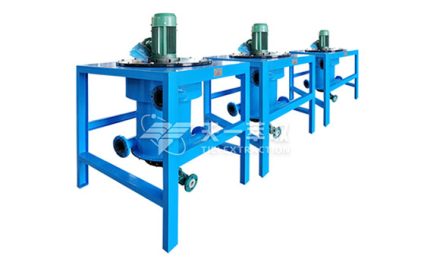
Importance and Challenges of Rubidium and Cesium Extraction Rubidium and cesium are important rare and valuable metal resources, widely used in strategic fields such as aerospace, pharmaceuticals, energy, electronic devices, and the chemical industry. The selection of extraction equipment and…
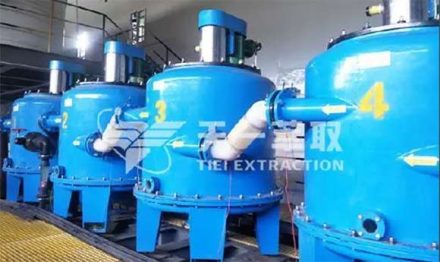
BP wastewater—high-concentration phenolic and aromatic organic wastewater—has long posed a formidable challenge in environmental treatment. It mainly originates from processes such as bisphenol A (BPA) production, pesticide and pharmaceutical intermediate synthesis, and coal tar processing. Its “four highs and one…
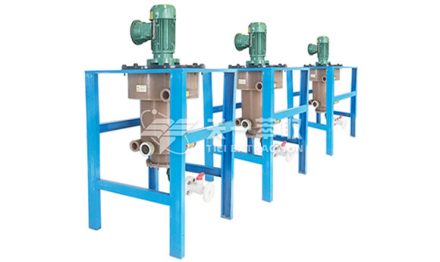
In titanium dioxide production, the sulfate process generates tens of millions of tons of waste acid every year, posing a persistent environmental burden for enterprises. These seemingly useless waste acids, however, contain a valuable dispersed rare metal—scandium, often referred to…
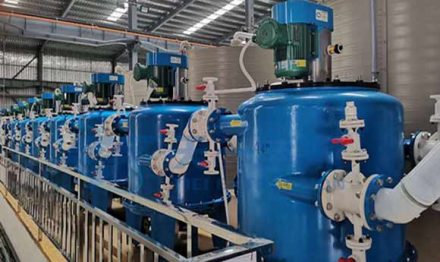
As the global vehicle fleet continues to expand, automotive exhaust purification has become a focal point of environmental protection efforts worldwide. Three-way catalytic converters composed of platinum, palladium, and rhodium have been widely used in automotive exhaust purification systems since…
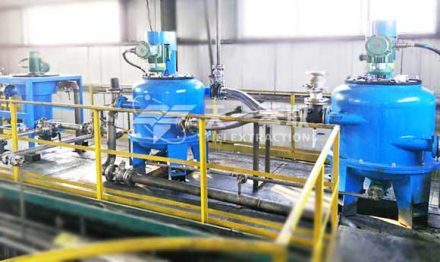
Wastewater discharged from chemical plants containing sulfolane typically has a high concentration. Direct discharge not only causes serious environmental pollution but also results in the loss of valuable resources. Traditional distillation methods consume significant energy, and high temperatures can easily…
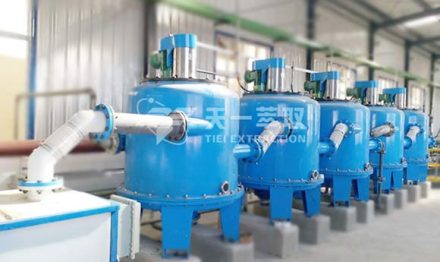
With the rapid development of the new energy storage industry, the all-vanadium redox flow battery (VRFB) has emerged as a key technology for large-scale energy storage, owing to its long service life, high safety, and deep charge–discharge capability. As the…


Leave your questions and we will get in touch with you as soon as possible