
- About Us
- Equipment
- Solution
- Cases
- News
- Service
- Contact us
Insight into the current events of the day and collect industry hotspots

The electroplating industry is one of the major sources of heavy metal wastewater discharge. Chromium-containing wastewater, especially wastewater containing hexavalent chromium (Cr⁶⁺), is highly toxic and hazardous, and is classified as a key regulated toxic pollutant. Most electroplating enterprises discharge…

Zinc sulfate, as an important inorganic chemical raw material, is widely used in electroplating, agriculture, pharmaceuticals, new energy materials, and many other industries, with continuously growing market demand. Currently, zinc sulfate production mainly relies on hydrometallurgical processes, extracting and purifying…

In industries such as fine chemicals, pharmaceutical intermediates, and new energy materials, three-stage countercurrent washing has become a mainstream process choice due to its advantages of high washing efficiency, improved water utilization, and thorough impurity removal. Its core objective is…
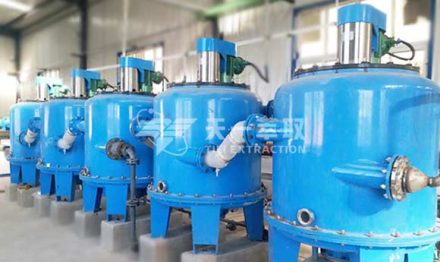
N-Methyl-2-pyrrolidone (NMP) is a high-performance organic solvent widely used in industries such as lithium batteries, polymer manufacturing, electronic materials, and lubricating oil refining. However, NMP is completely miscible with water in any proportion and features a high boiling point and…

With the rapid development of strategic emerging industries such as new energy, electronic information, and high-end manufacturing, the strategic importance of rare metals such as lithium, cobalt, nickel, rubidium, and cesium is becoming increasingly prominent. How to efficiently, cleanly, and…

H-acid (1-amino-8-naphthol-3,6-disulfonic acid) is a key intermediate in the production of acid dyes, direct dyes, and reactive dyes for wool and cotton textile dyeing. However, the wastewater generated during the crystallization mother liquor production stage has long been a critical…


Leave your questions and we will get in touch with you as soon as possible