
- About Us
- Equipment
- Solution
- Cases
- News
- Service
- Contact us

Insight into the current events of the day and collect industry hotspots
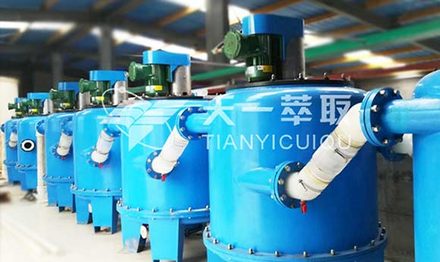
In high-end industries such as semiconductors, OLED, DRAM, sensors, and hydrogen energy, the demand for platinum group metals (PGMs) such as ruthenium, iridium, and platinum continues to grow. Their supply is highly concentrated in South Africa and Russia, while ruthenium…
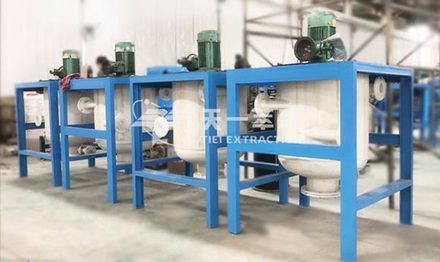
Xylene is a product in which two hydrogen atoms on the benzene ring are replaced by methyl groups. It exists in three isomers: ortho-xylene, meta-xylene, and para-xylene, and industrially, the term “xylene” generally refers to a mixture of these three…

Against the backdrop of continuously growing global demand for long-duration energy storage, vanadium redox flow batteries (VRFBs) are becoming an important technology route for large-scale energy storage, thanks to their inherent safety, long cycle life, scalable capacity, and recyclable electrolyte.…
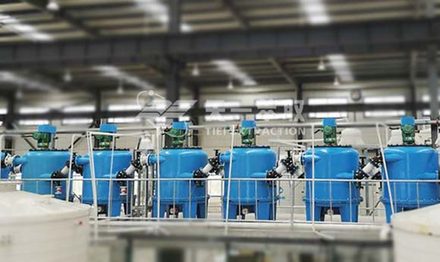
Salt lake brine is not only an important source of lithium, but also contains scarce strategic metals such as rubidium and cesium. Rubidium and cesium play irreplaceable roles in high-end fields including optoelectronic materials, specialty glass, energy conversion, and aerospace.…
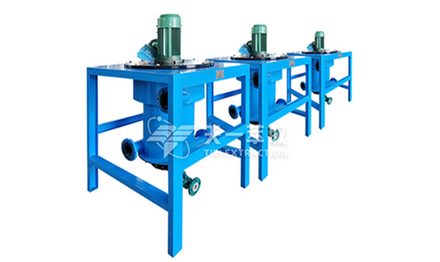
In the production processes of fine chemicals, pharmaceuticals, and hydrometallurgy, the separation of the organic phase and aqueous phase is one of the most common and critical unit operations. Whether for product extraction after reactions, solvent recovery, water washing and…
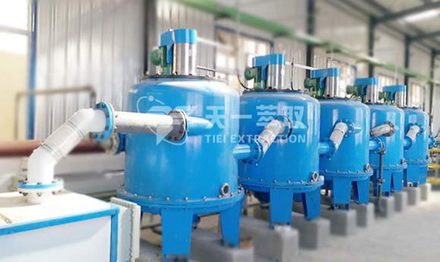
In the wet-process phosphoric acid production process, how to efficiently remove impurities, improve phosphoric acid purity, and reduce solvent loss has long been a key concern for enterprises. Facing increasingly stringent quality requirements and cost pressures, the choice of extraction…


Leave your questions and we will get in touch with you as soon as possible