
- About Us
- Equipment
- Solution
- Cases
- News
- Service
- Contact us

Insight into the current events of the day and collect industry hotspots
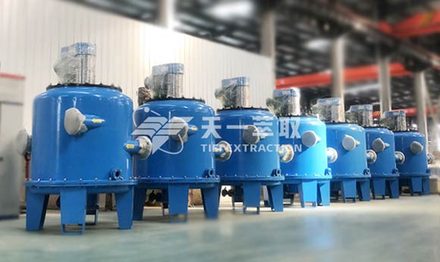
In the field of standalone energy storage, the competition between lithium iron phosphate (LFP) and all-vanadium redox flow battery (VRFB) technologies is essentially a trade-off between short-term capital returns and long-term asset stability. Lithium iron phosphate batteries, with advantages such…
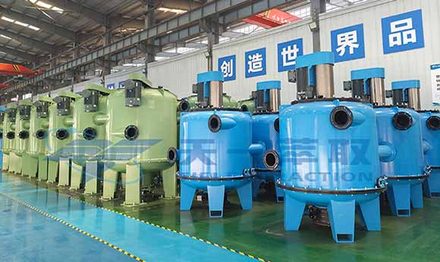
In the field of liquid-liquid extraction and separation, centrifugal extractor is gradually replacing traditional mixer-settlers and extraction columns, becoming a preferred equipment solution in industries such as fine chemicals, pharmaceuticals, and hydrometallurgy. However, when faced with different processing capacities, material…
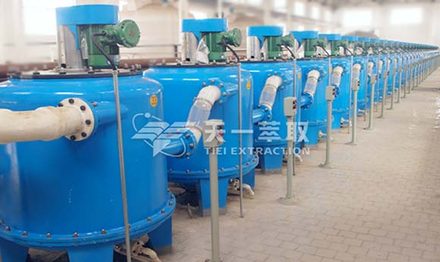
In the production chain of new energy vehicle power battery ternary precursors (NCM), the extraction, separation, and deep purification of nickel, cobalt, and manganese are critical processes that determine the purity, electrochemical performance, and production cost of the final products.…
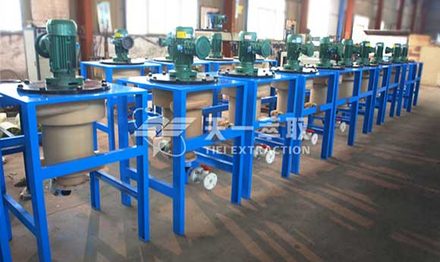
The core of lubricating oil refining is to remove polar impurities from distillate oil or residual oil, thereby improving the viscosity index, oxidation stability, and color of the oil. Solvent extraction uses polar solvents such as NMP, furfural, and phenol-water…
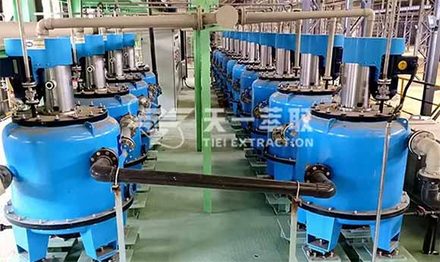
Copper, nickel, and cobalt are important metals for strategic industries such as new energy batteries and superalloys. They are often associated with sulfide ores or laterite nickel ores. To obtain high-purity copper, nickel, and cobalt products, solvent extraction and separation…
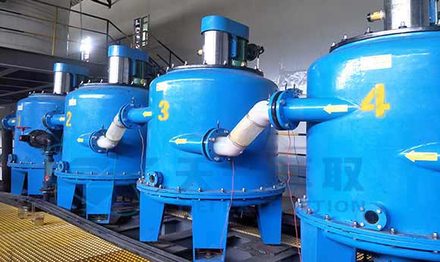
Naphthalene-based sulfonic acid compounds are important intermediates in the dye industry and are widely used in the production of reactive dyes, acid dyes, mordant dyes, and other products. However, during the production of naphthalene-based dye intermediates, large amounts of wastewater…


Leave your questions and we will get in touch with you as soon as possible